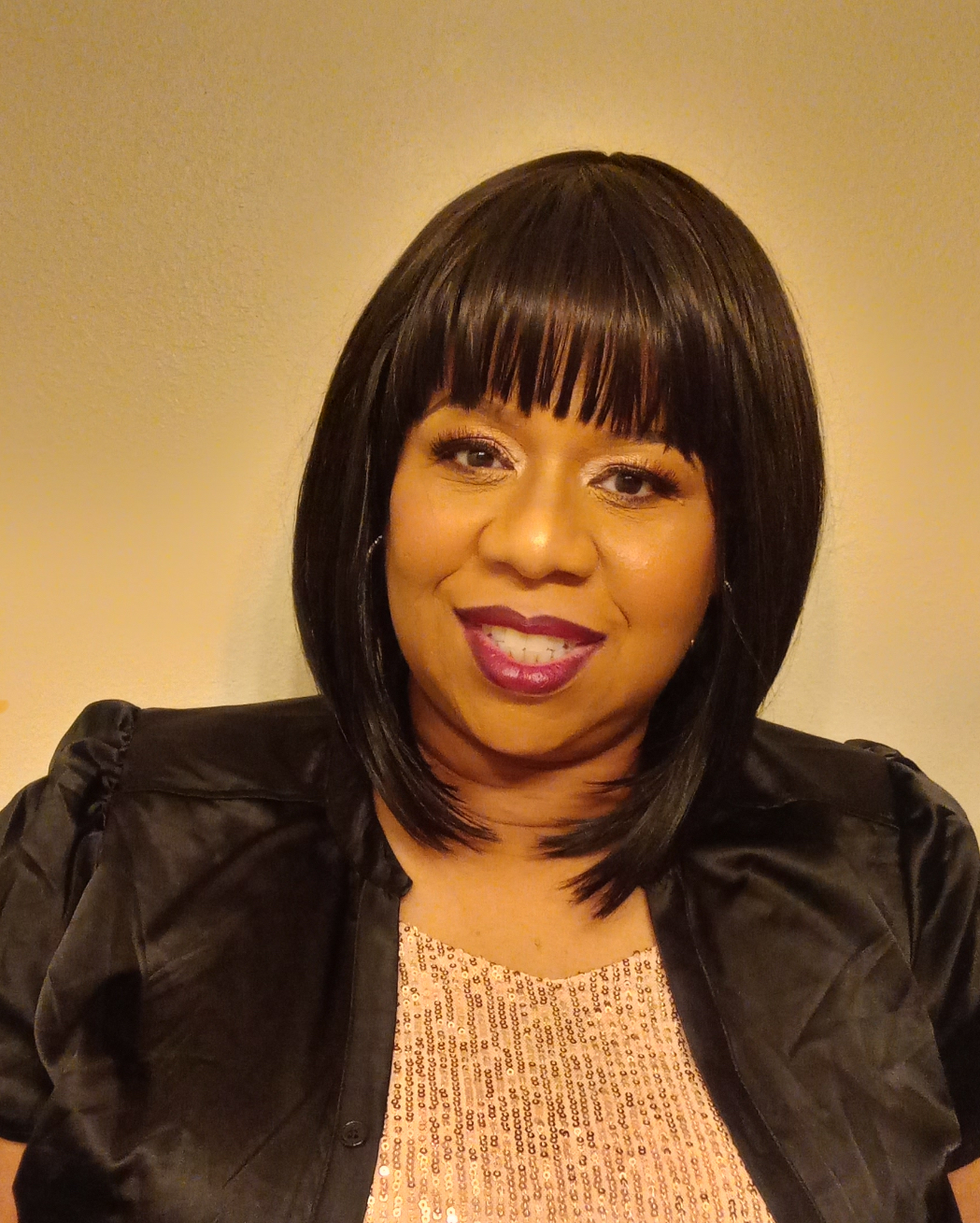
Ashana Bigard
Executive Director, Amplify Justice / Liberation Collective · Fifth-generation New Orleans native · Author · Advocate · Trainer
Section 03
Before anyone puts a label on your child — or a medication — there are questions that must be answered first. Here is what the science says. Here is what the law says. Here is what to do.
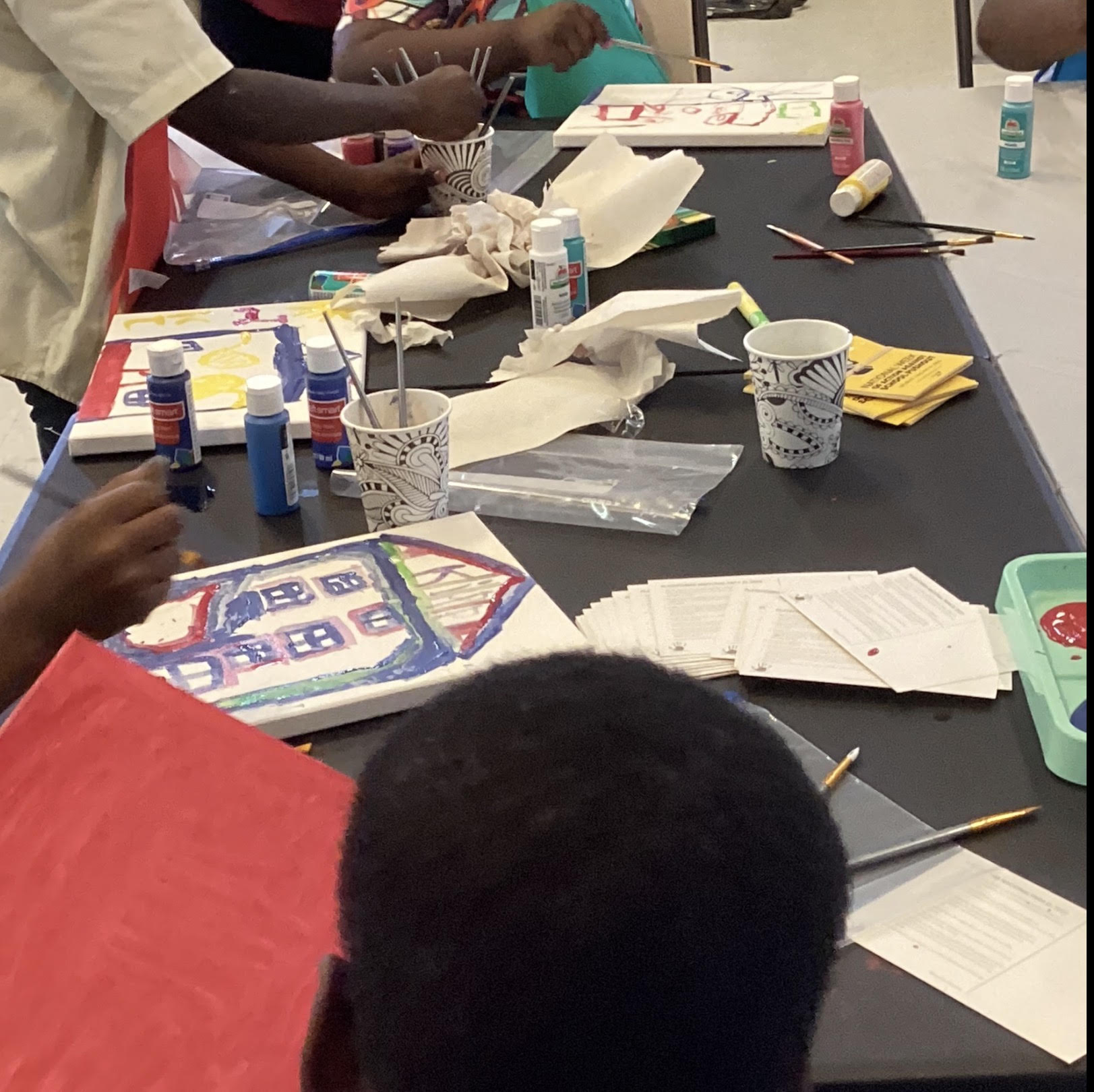
Children thrive in environments built for creativity, movement, and play — not silence and punishment
If your child behaves one way at home and a completely different way at school, they are not two different children. They are one child responding to two radically different environments. That is not a disorder. That is biology.
When a child is placed in a stressful, punitive, or unstimulating environment, their brain releases cortisol — the stress hormone. Cortisol keeps the brain in survival mode, shutting down the parts responsible for memory, focus, and self-regulation. A child whose brain is flooded with cortisol cannot sit still, cannot focus, and cannot follow complex instructions — not because something is wrong with them, but because their brain is doing exactly what it was designed to do when it senses danger.
Zero tolerance schools, silent lunches, 15-minute recesses, and no physical education are not neutral environments. They are stressful environments that produce the exact symptoms that get Black children labeled, medicated, and pushed out.
"A child who is calm at home and dysregulated at school
is not broken. The school environment is broken."
This is not opinion. This is developmental neuroscience. Children's brains are not small adult brains — they are actively forming, and they require specific conditions to develop properly. When schools deny children what their brains need, they create the symptoms they then label as disorders.
Research finding: Children who received only 30 minutes of recess had cortisol levels more than three times higher than children who received 45 minutes. Cortisol is the stress hormone that blocks learning and causes the exact behaviors schools then punish.
Black children are not being overdiagnosed with ADHD. They are being misdiagnosed with something worse — and undertreated for what they actually have.
Oppositional Defiant Disorder diagnoses are 35% more common in Black children than white children — not because Black children are more defiant, but because the same behaviors that get a white child referred for ADHD evaluation get a Black child labeled as a behavioral problem. ODD is a pathway to punishment. ADHD is a pathway to support.
Even when teachers report the same frequency of ADHD-related behaviors in Black and white children, Black children are 70% less likely to receive an ADHD diagnosis. The behaviors are the same. The response is different. That difference is racial bias — documented and measurable.
Conduct disorder — a label that pathologizes behavior as criminal rather than developmental — is applied to Black children at 2.4 times the rate of white children. This label does not come with support. It comes with referrals to law enforcement and juvenile facilities.
Studies found that white teachers with more negative racial attitudes gave higher ADHD and behavioral ratings to Black boys than teachers with less bias — for the exact same behaviors. The child did not change. The perception of the child changed based on race.
Louisiana leads the entire United States in ADHD diagnoses in children. New Orleans charter schools adopted no-excuses discipline models that researchers have directly tied to higher suspension rates and increased behavioral referrals — disproportionately affecting Black children.
"Before anyone puts a label on your child,
these questions must be answered first."
These questions must be answered before any evaluation or medication recommendation is taken seriously. Write them down. Bring this list. Ask every single one.
Physical activity: How many minutes of physical activity is my child getting per day? How many minutes of recess? Do they have PE, and how often?
Sleep: How many hours is my child sleeping? Children ages 6–12 need 9–11 hours per night. Sleep deprivation produces symptoms identical to ADHD.
Nutrition: What does my child eat in a typical day? Are they getting enough protein? Iron deficiency, vitamin D deficiency, and high sugar diets all produce attention and behavior problems.
Home versus school: Has anyone documented how my child behaves at home compared to school? A child who only shows symptoms in one environment may be responding to that environment — not expressing a disorder.
Trauma screening: Has my child been screened for ACEs — Adverse Childhood Experiences? Trauma produces symptoms that look identical to ADHD and conduct disorders.
Medical screening: Has my child been tested for iron deficiency, lead exposure, thyroid issues, and sleep disorders? All of these mimic ADHD and must be ruled out first.
School environment: What are the school's discipline policies? What is the racial breakdown of students who receive discipline referrals? Has anyone assessed whether the school environment itself is contributing to my child's behavior?
Interventions first: What non-medication interventions have already been tried? Federal law requires that behavioral and environmental interventions be explored before medication is recommended.
Save these in your phone. Say them out loud if you need to. You are your child's most important advocate.
"I am requesting that any behavioral evaluation compare my child's behavior at home versus at school before any diagnosis is made. The environment must be assessed, not just the child."
"I am requesting documentation of every disciplinary incident — what triggered it, what the classroom environment was at the time, and what intervention was attempted before discipline was applied."
"I do not consent to a medication referral at this time. I want to explore behavioral and environmental interventions first. I want this documented in my child's file."
"I am requesting an independent educational evaluation at the school district's expense under the Individuals with Disabilities Education Act."
"I want to know in writing: how many minutes of physical activity does my child receive per day? How many minutes of recess? Research shows children need a minimum of 60 minutes of daily movement for healthy brain development."
"Under IDEA, my child has the right to a free and appropriate education. I want to see documentation of every non-medication intervention that has been tried before this recommendation was made. Accommodations and support plans do not require medication."
"I am bringing an advocate to this IEP meeting. This is my legal right under federal law and I am exercising it."
Print these and bring them to any school meeting or doctor's appointment. They include the research, the law, and what must happen before any diagnosis or medication recommendation.
⬇ Handout for Doctors ⬇ Handout for SchoolsThese handouts are free. Share them with any parent who needs them.
Executive Director, Amplify Justice / Liberation Collective · Fifth-generation New Orleans native · Author · Advocate · Trainer