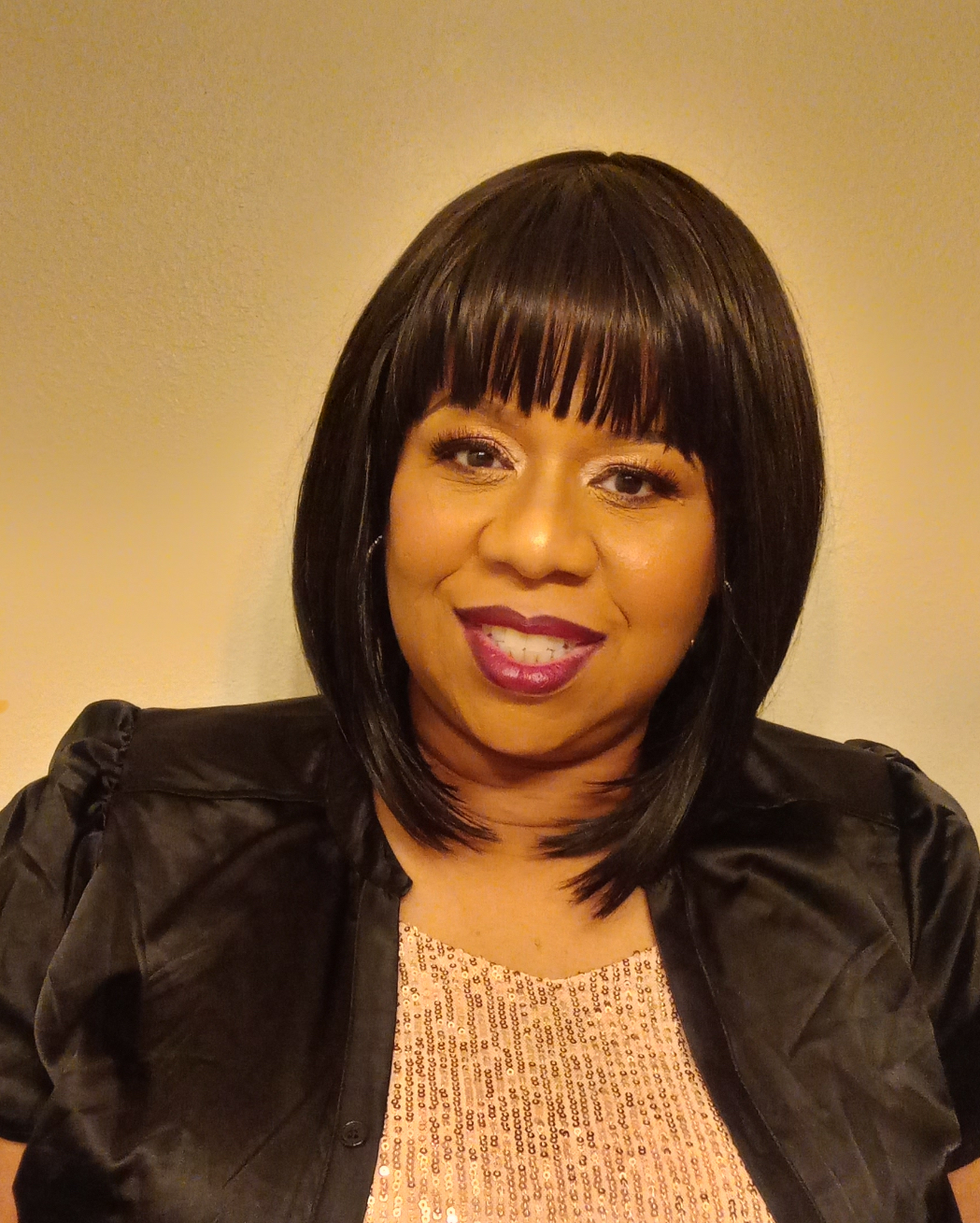
Ashana Bigard
Executive Director, Amplify Justice / Liberation Collective · Fifth-generation New Orleans native · Author · Advocate · Trainer
Section 04
Before you sign anything, before you hand your child over — you have the right to ask every one of these questions. Here is what a school must be able to answer to deserve your child.
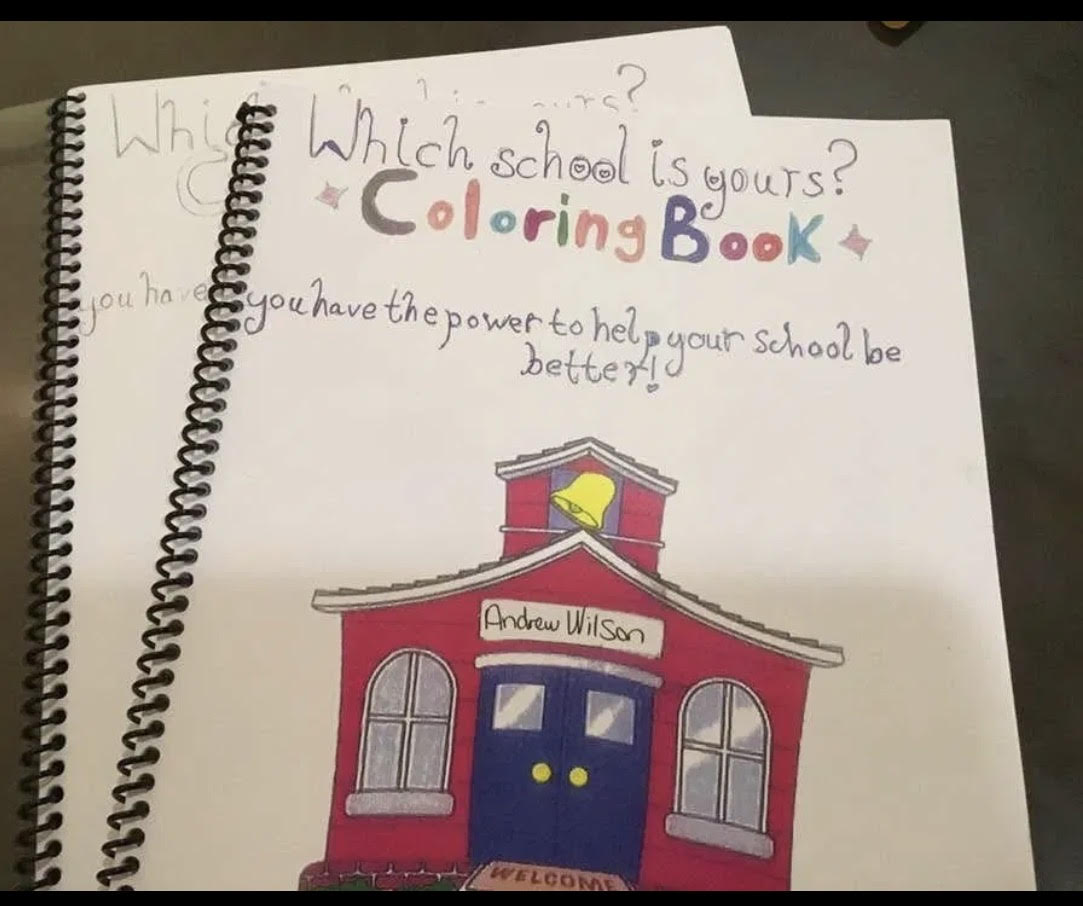
Community education tool created through Ashana Bigard's organizing work in New Orleans schools
Most parents are handed an enrollment form and told to sign. Nobody tells you that you have the right to ask questions first. Nobody tells you that the answers to those questions will determine whether your child spends the next several years in an environment that supports their development — or one that slowly dismantles it.
This checklist was built from two decades of on-the-ground work with Black families in New Orleans schools — sitting in over 100 community meetings, watching parents describe in detail what they wanted for their children, and then watching systems deliver the opposite.
You do not have to accept whatever school is assigned to your child without asking who it was built for, what it believes about Black children, and whether it can actually prove it deserves the trust you are being asked to give.
"You have the right to interview the school
before the school evaluates your child."
Ask these questions in writing before you enroll. A school that cannot answer them — or refuses to — has already told you something important.
How many minutes of recess do children receive per day, broken down by grade level?
Are children required to eat lunch in silence, or is conversation permitted during meals?
How many minutes of PE do children receive per week? Is it taught by a certified PE teacher?
Are there movement breaks built into the classroom day? What does that look like?
Is there outdoor space children can access? Is recess ever withheld as punishment?
What is the average class size by grade level?
Do you operate under a zero tolerance discipline policy? What behaviors result in suspension or expulsion?
What is your suspension rate broken down by race? What is your expulsion rate broken down by race?
Do you have school resource officers or police on campus? Under what circumstances are they called?
Do you use restorative justice practices? What does that process look like when a conflict occurs?
What trauma-informed training have teachers and administrators received? When was the last training?
Have your staff received anti-bias training specific to racial bias in discipline? Who provided it?
Is Black history taught year-round, or only in February? Show me an example of how it appears in your regular curriculum.
Are Black inventors, scientists, mathematicians, and leaders included in your regular curriculum — not as footnotes but as central figures?
Do children see themselves in the books they read — in the illustrations, the protagonists, the heroes?
Are there arts programs — music, visual art, drama, dance? Are they taught by credentialed arts educators?
What percentage of your teachers are Black? What percentage of your leadership is Black?
How does your school treat Black vernacular English? Is it respected or corrected and punished?
How does your school define achievement? Is it limited to test scores, or does it recognize multiple forms of intelligence and cultural knowledge?
What is the ratio of counselors to students? How many schools does your school psychologist serve?
Is there a social worker on staff? What is their caseload?
When a child's behavior differs significantly between home and school, what is your process for investigating the school environment as a contributing factor?
Has this school ever encouraged or pressured parents to medicate their children as a condition of enrollment or continued attendance? This is illegal.
What is your special education enrollment rate? What is the racial breakdown of students receiving special education services?
Are children with IEPs and 504 plans included in general education classrooms whenever possible?
What accommodations are available for children without requiring medication?
Do you have staff trained in IDEA — the Individuals with Disabilities Education Act? Who handles IEP coordination?
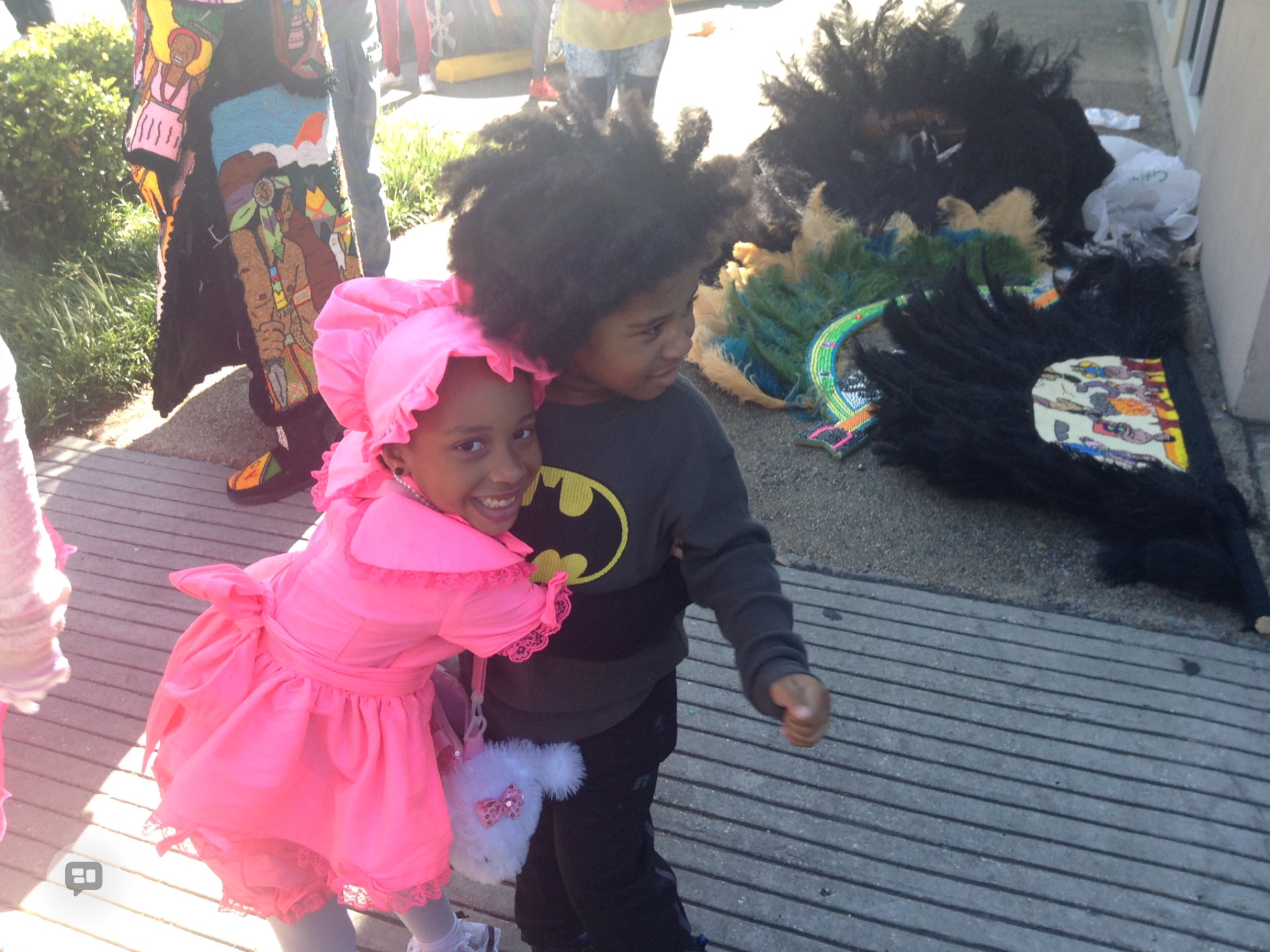
New Orleans Black children surrounded by Mardi Gras Indian culture — history that belongs in every classroom
New Orleans is one of the most culturally rich cities in the world. Its music, its food, its traditions, its architecture — all of it flows directly from Black and Indigenous people who created, sustained, and preserved it under conditions designed to destroy them. A school in New Orleans that does not teach this history is not a culturally neutral institution. It is actively telling Black children that who they are does not exist.
The Black Masking Indian tradition emerged in the late 1800s as a form of cultural resistance — created when Black Americans were excluded from Mardi Gras celebrations — and as a tribute to the Native American nations who sheltered runaway enslaved people. Each hand-sewn suit represents a year of work, thousands of hours, and a library of African and Indigenous history. This belongs in every New Orleans classroom.
Congo Square — now within Louis Armstrong Park — was the only place in America where African people stolen from their homelands were permitted to practice their traditional culture. The drumming, dancing, and music preserved there became the root of jazz, blues, and nearly every form of American music that followed. Black children in New Orleans should know this not as a footnote but as a foundation.
The second line is not just a parade. It is a philosophy — the community walking behind the brass band, claiming public space, celebrating life and mourning death together, moving through neighborhoods that have tried to erase them. It is resistance expressed as joy. It is New Orleans. It belongs in schools.
Woodson argued that a curriculum that ignores Black history and achievement does not simply fail to educate Black children — it actively teaches them that their people have never accomplished anything significant. That is not education. That is indoctrination. A school with 100% Black students that teaches no Black history is teaching white supremacy by omission.
"A school that does not reflect who your child is
is not a neutral institution.
It is telling your child they do not exist."
These are professional, firm, and completely within your rights. You do not have to be confrontational — but you do not have to be silent either.
"I would like to see your suspension and expulsion data broken down by race before I enroll my child. This is public information and I am requesting it in writing."
"Can you show me a specific example of how Black history and Black contributions appear in your regular curriculum — not just during Black History Month?"
"I want to know in writing how many minutes of recess and physical activity my child will receive daily. Research shows children need a minimum of 60 minutes of movement for healthy brain development and I want to understand how this school meets that standard."
"I want to confirm that medication will never be suggested or required as a condition of my child's enrollment or continued attendance. Can you put that in writing?"
"My child comes from a culturally rich New Orleans community. How does this school incorporate local Black culture — the Mardi Gras Indians, Congo Square, second line traditions — into what you teach?"
"Thank you for your time. I need to review this information before making a decision. I will follow up in writing with any additional questions."
Print this checklist and bring it to any school tour or enrollment meeting. You have every right to ask these questions and to expect real answers.
⬇ Download Enrollment ChecklistThis checklist is free. Share it with every parent you know.
Executive Director, Amplify Justice / Liberation Collective · Fifth-generation New Orleans native · Author · Advocate · Trainer